Volunteer Opportunities for Middle School Students: 7 Free STEM Options
Updated on
October 26, 2026
Middle schoolers often hear "you're too young" when they look for volunteer work. Many programs require volunteers to be 14, 16, or even 18. But there are real ways to help scientists, teachers, and your community at 11, 12, or 13, and most of them are free and can be done from home.
This guide lists seven STEM volunteer opportunities that accept middle school students, with the age rules, what parents need to do, and how to get your hours verified. It's written by student volunteers at STEM for Others, a nonprofit that is one of the programs listed. Every program's details come from its own website.
Looking for options for older students? See our guide to online volunteer opportunities for high school students.
Quick list: STEM volunteer opportunities for middle schoolers
- Zooniverse: classify real research data. Any age, with parent approval under 16.
- CoCoRaHS: report daily rain and snow totals for weather forecasters. No age limit; parent or guardian info required for minors.
- Globe at Night: measure light pollution by counting stars. Open to students and families.
- NASA GLOBE Observer: photograph clouds and trees for NASA. Ages 13 and up, or younger with an adult.
- Project FeederWatch: count birds at a feeder for Cornell scientists. All ages; small annual fee.
- Schoolhouse.world: tutor math in small Zoom groups. Ages 13 and up.
- STEM for Others: start and lead a free STEM chapter at your school. Open to middle schoolers.
Citizen science (the best fit for most middle schoolers)
Citizen science projects let you contribute to real research by sorting images, recording observations, or collecting data outside. They're flexible, you can do them on your own schedule, and most have no minimum age when a parent helps you sign up.
1. Zooniverse
Zooniverse hosts hundreds of research projects where volunteers help scientists identify galaxies, count animals in wildlife camera photos, transcribe old weather logs, and more. There's no age limit, but volunteers under 16 need a parent or guardian's approval to create an account. Registered volunteers can download a certificate showing their hours and classifications, which many schools accept for service hours.
Best for: students who want to try lots of science fields before picking a favorite.
2. CoCoRaHS
The Community Collaborative Rain, Hail and Snow Network (CoCoRaHS) is a network of volunteers who measure precipitation in their backyards every morning. The National Weather Service and researchers use the data. There's no age restriction; younger observers sign up with a parent or guardian's information. You'll need internet access and an approved 4-inch rain gauge (most hardware-store gauges don't qualify). Reports are best taken around 7 a.m.
Best for: students who like weather and can commit to a short daily routine.
3. Globe at Night
Globe at Night is an international project that measures light pollution. On moonless evenings, you find a constellation like Orion, compare what you see with a set of star charts, and report which chart matches. Students, teachers, and families all take part, and you can submit observations from a phone or computer. Campaigns run for about ten nights each month.
Best for: students interested in astronomy who want a quick, family-friendly activity.
4. NASA GLOBE Observer
GLOBE Observer is a free app supported by NASA that turns your phone into a science instrument. You photograph clouds, trees, land cover, or mosquito habitats, and the data goes into an open dataset used by scientists. Accounts are for ages 13 and older, and GLOBE recommends that children under 13 take part with adult supervision, so younger students can join on a parent's account.
Best for: 13-year-olds and families who want to get outside and see their data used in Earth science.
5. Project FeederWatch
Run by the Cornell Lab of Ornithology, Project FeederWatch asks volunteers to count the birds that visit a feeder from November through April. The project welcomes children, families, and classrooms. It's the only program on this list with a cost: about $18 a year in the U.S., with discounts for school groups.
Best for: students who love animals and have a feeder or yard to watch.
Tutoring and teaching
Teaching is harder to find before high school, but there are options once you turn 13.
6. Schoolhouse.world
Schoolhouse.world is a free peer-tutoring platform where volunteers run small-group math and science sessions over Zoom. Tutors must be at least 13, which means many 8th graders qualify. To get certified in a topic, you record yourself working through practice problems while explaining your reasoning. Tutors set their own schedule, from one session a month to several a week, and the platform keeps a record of your sessions.
Best for: 8th graders who are strong in math and want to teach.
7. STEM for Others
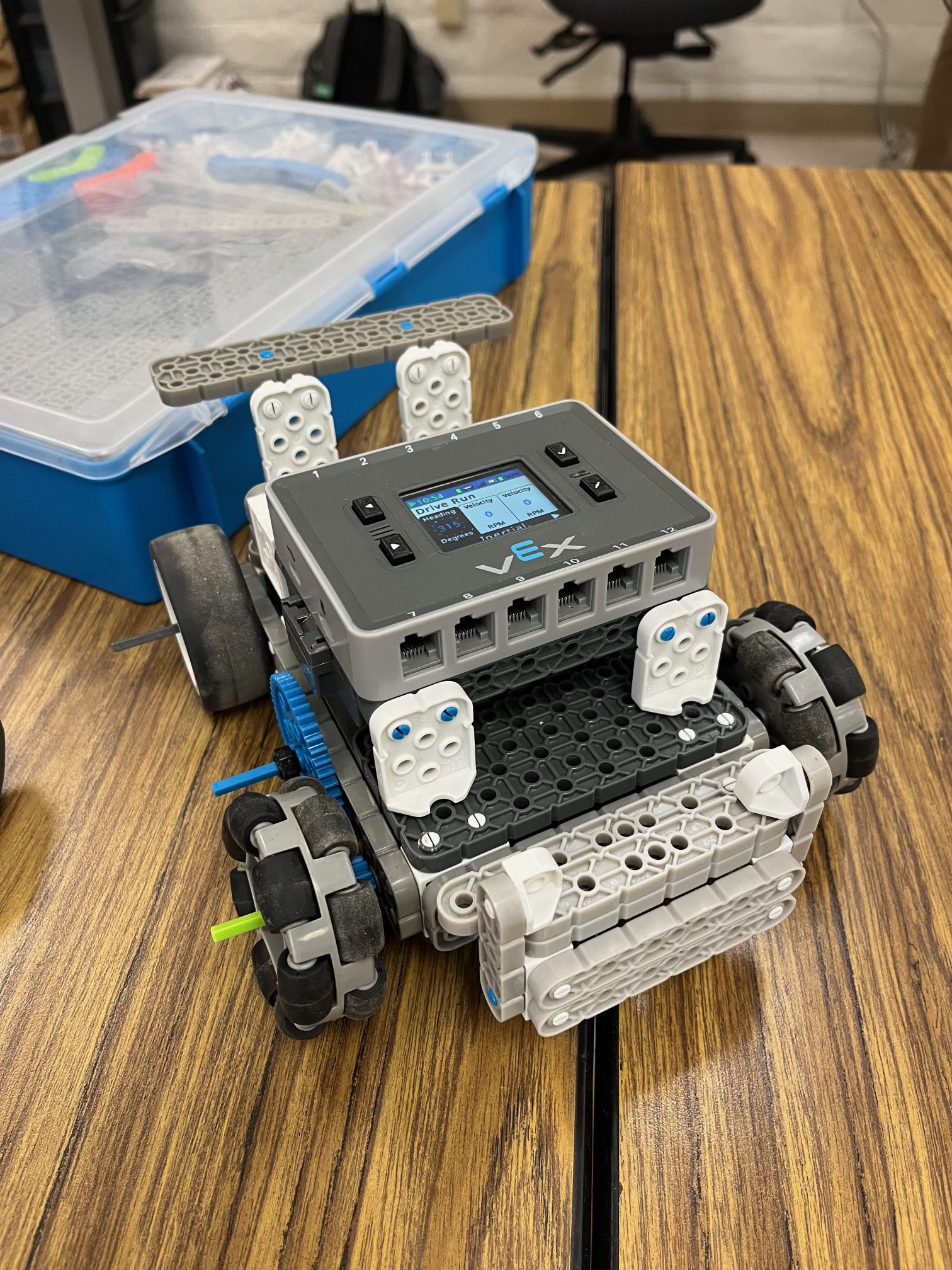
STEM for Others is a student-led 501(c)(3) nonprofit that runs free STEM programs through chapters at schools, libraries, and community centers, including middle schools. Middle school students can start and lead a STEM for Others chapter at their own school, teaching hands-on lessons from our free STEM curriculum in subjects like coding, chemistry, and robotics. It's one of the few volunteer roles open to middle schoolers that comes with real leadership.
Best for: students who want to teach and lead, not just log hours. See how to start a chapter.
How to get your volunteer hours verified
Middle school service hours are often required for NJHS, confirmation, scouts, or school graduation. Before you start:
- Check what your school or group accepts. Ask your NJHS advisor or counselor whether online and citizen science hours count, and what form they need.
- Pick programs that track hours for you. Zooniverse certificates and Schoolhouse.world session records are the easiest to verify.
- Ask a parent to help with sign-up. Most programs need a parent's email or approval for students under 13 or 16.
- Keep your own log. Write down the date, how long you worked, and what you did. Screenshots of your contributions help too.
How to choose
- If you're under 13: start with Zooniverse, CoCoRaHS, or Globe at Night with a parent.
- If you're 13 or older: add GLOBE Observer and Schoolhouse.world.
- If you need hours fast: Zooniverse lets you contribute as much as you want, whenever you want.
- If you're thinking ahead to high school: pick one program and stick with it. A few years in one activity is more meaningful than a little bit of everything.
Frequently asked questions
Can middle school students volunteer?
Yes. Zooniverse, CoCoRaHS, Globe at Night, and Project FeederWatch accept volunteers of any age with a parent's help, and Schoolhouse.world and GLOBE Observer accept students from age 13.
Can a 12-year-old volunteer online?
Yes. Zooniverse has no minimum age (volunteers under 16 need a parent's approval), and Globe at Night and CoCoRaHS are open to families. GLOBE Observer can be used under a parent's account with adult supervision.
Do online volunteer hours count for NJHS?
Often, yes, but each chapter sets its own rules. Ask your advisor before you start and choose a program that gives you a certificate or record of your hours.
What volunteer work can I do at 13?
At 13 you can tutor on Schoolhouse.world, create your own GLOBE Observer account, and join any of the citizen science projects on this list.