%20(1).svg)

Online Volunteer Opportunities for High School Students: 8 Free STEM Programs
Updated on
September 27, 2026
High school students are looking for impact organizations to volunteer their time. If you need volunteer hours and want them to mean something, STEM is one of the best places to spend them. You can tutor a younger student in algebra, help NASA scientists sort cloud photos, or transcribe specimen labels for the Smithsonian, all from your laptop. This guide lists eight free online volunteer opportunities for high school students, with the age rules, time commitment, and hour verification for each one, so you can pick the right fit in a few minutes.
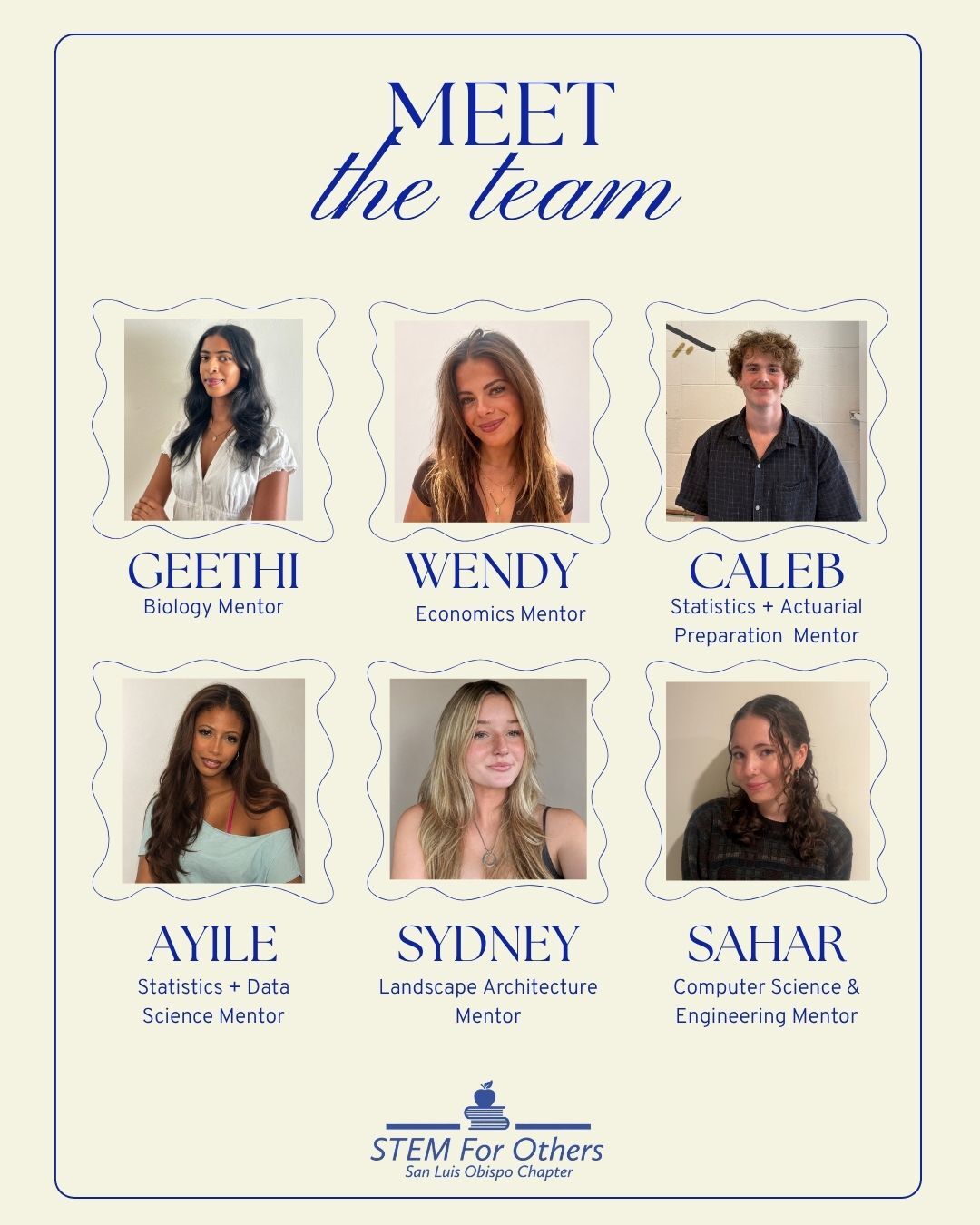
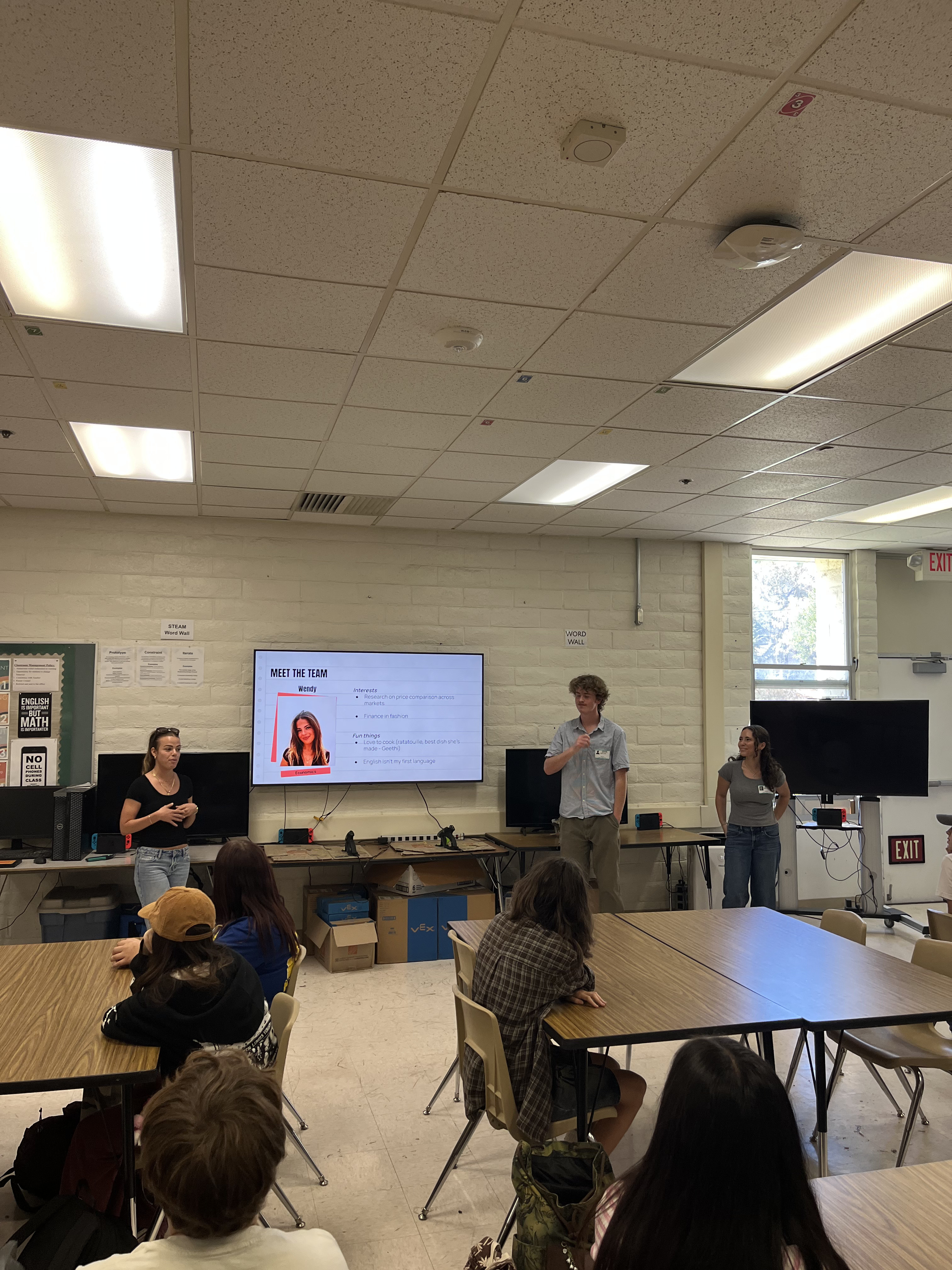
This guide is written by student volunteers at STEM for Others, a nonprofit that is one of the programs listed below. Every program's details come from its own website.
Quick list: the best online STEM volunteer opportunities
- UPchieve: free on-demand tutoring for low-income students. 9th grade and up.
- Schoolhouse.world: free peer tutoring in small Zoom groups. Ages 13 and up.
- STEM for Others: teach free STEM programs through a local chapter, or build curriculum and apps online.
- Learn To Be: one-on-one online tutoring for younger students. High school age and up.
- Zooniverse: classify real research data for scientists. Any age, with parent approval under 16.
- Smithsonian Digital Volunteers: transcribe field notes and specimen labels. Ages 14 and up.
- NASA GLOBE Observer: collect cloud, tree, and mosquito habitat data with a phone app.
- iNaturalist: record plants and animals for biodiversity research. Ages 13 and up.
Tutoring and teaching (the most impactful option)
Tutoring is the volunteer work schools and colleges recognize most easily, because the impact is direct and easy to describe. You do not need to be a top student. If you understand a subject well enough to explain it, you can help someone who is a year or two behind you.
1. UPchieve
UPchieve connects volunteer tutors with low-income high school students who need help with homework, test prep, or college applications. Student volunteers must be in at least 9th grade. You only need to pass a certification in one subject to start, and there is no minimum time commitment, so you can take sessions when your schedule allows. UPchieve automatically tracks your sessions and hours.
Best for: students with unpredictable schedules who want flexible, on-demand tutoring.
2. Schoolhouse.world
Schoolhouse.world is a free peer-tutoring platform where volunteers run small-group sessions over Zoom. Tutors must be at least 13. To get certified in a math or science unit, you record yourself working through a Khan Academy assessment while explaining your reasoning, then review two other applicants' videos. Schoolhouse has a built-in tool for tracking volunteer hours and gives tutors a portfolio of their sessions.
Best for: younger high schoolers who are strong in math or science and want to teach groups.
3. STEM for Others
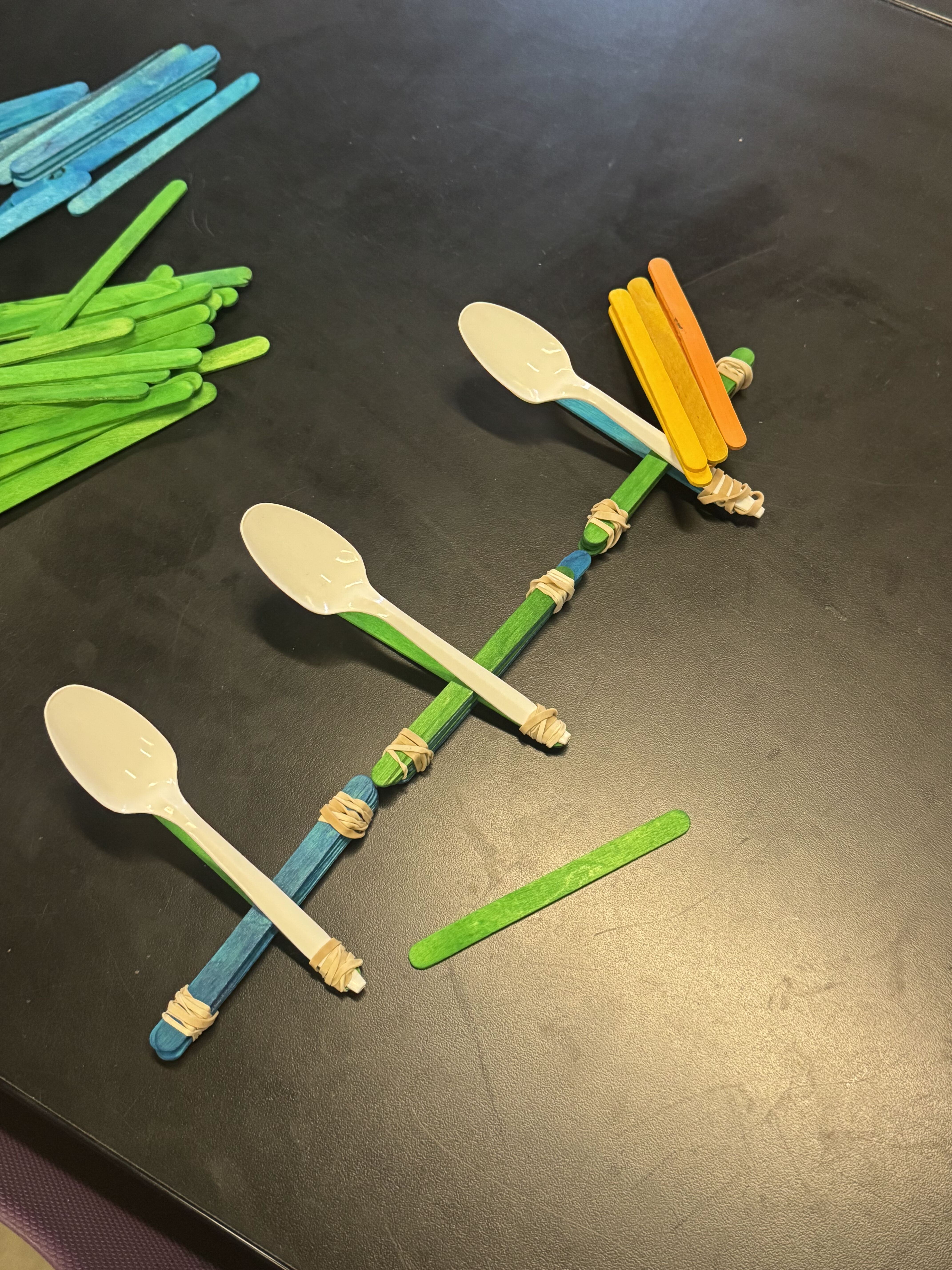
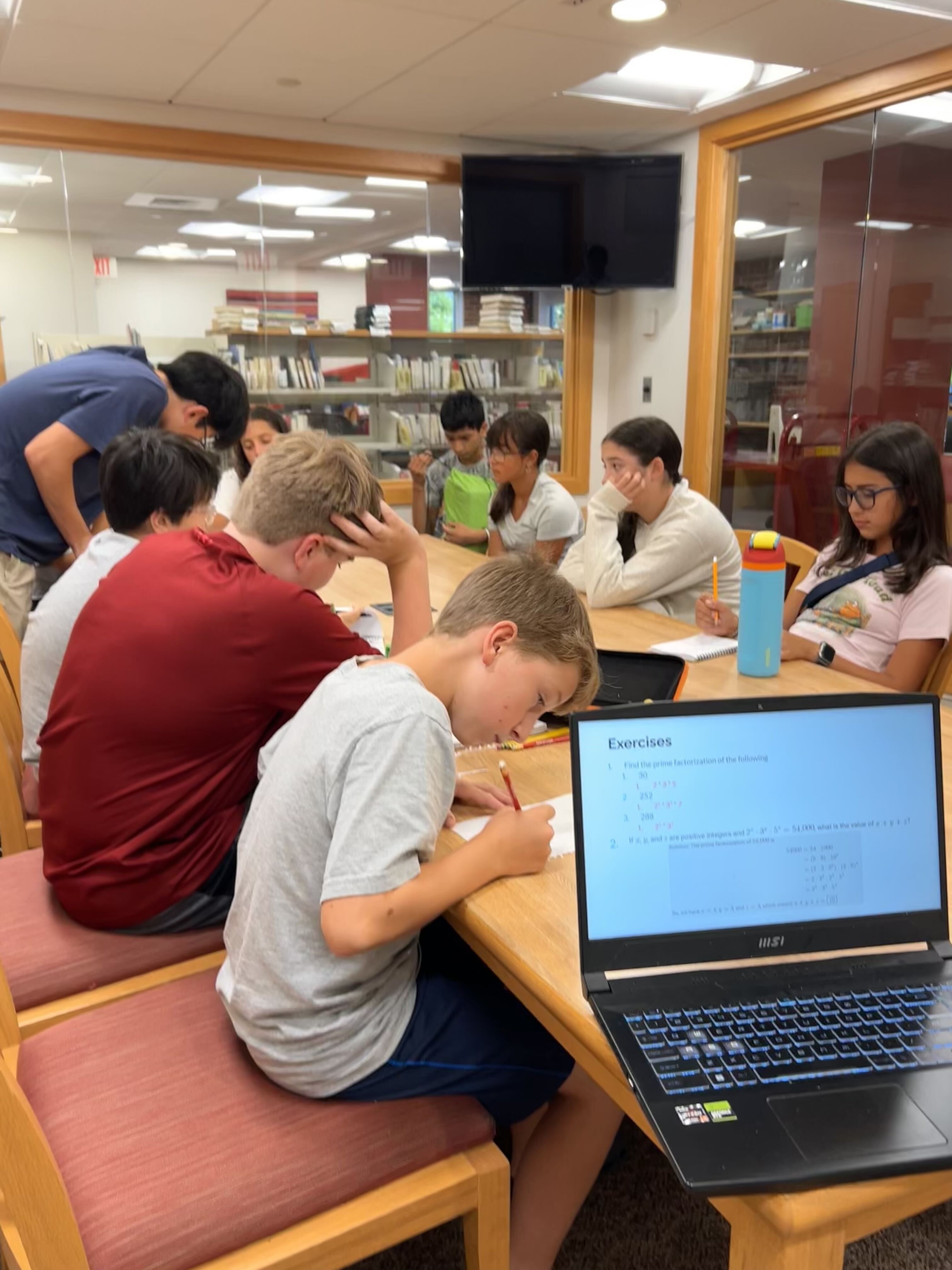
STEM for Others is a student-led 501(c)(3) nonprofit that runs free after-school STEM programs through more than 100 chapters at schools, libraries, and community centers. Volunteers teach from a free STEM curriculum covering subjects like Python, chemistry, and robotics. Mentoring happens through local chapters, while curriculum writing, app development for the STEMplore learning platform, and social media roles can be done online. Students can also start and lead a chapter at their own school.
Best for: students who want a long-term teaching or leadership role. See volunteer roles.
4. Learn To Be
Learn To Be pairs volunteer tutors with younger students, mostly in elementary reading and math, for one-on-one online lessons. Tutors must be at least high school age and commit to 60-minute lessons once or twice a week for at least four months. No prior experience is needed, and the platform lets tutors get their hours verified.
Best for: students who want to build a steady relationship with one student over a semester.
Citizen science (real research, on your own schedule)
Citizen science projects let you contribute to real studies by classifying images, transcribing records, or collecting observations. The work is flexible and asynchronous, which makes it a good fit around sports, jobs, or heavy course loads.
5. Zooniverse
Zooniverse hosts hundreds of research projects where volunteers help scientists sort galaxies, count penguins, transcribe old weather logs, and more. There is no age limit, but volunteers under 16 need a parent or guardian's approval to create an account. Registered volunteers can generate a certificate showing their hours and classifications, which many schools accept for service-learning hours.
Best for: students interested in astronomy, biology, or climate who want to try several fields.
6. Smithsonian Digital Volunteers
The Smithsonian Transcription Center asks volunteers to transcribe field notes, diaries, logbooks, and biodiversity specimen labels so researchers can search them. You must be 14 or older to register. Your account keeps a record of your virtual volunteer work.
Best for: detail-oriented students who like the history of science or natural history.
7. NASA GLOBE Observer
GLOBE Observer is a free NASA-supported app that turns your phone into a science instrument. You photograph clouds, trees, land cover, or mosquito habitats, and the data goes into an open dataset used by NASA scientists and students in more than 110 countries.
Best for: students who want to get outside and see their data used in Earth science research.
8. iNaturalist
iNaturalist lets you photograph plants, animals, and fungi, and your observations feed biodiversity research around the world. Accounts are for users 13 and older, or younger with parental consent. Many local parks and museums run iNaturalist "bioblitz" events that can count as organized service.
Best for: students who love biology or ecology.
How to get your online volunteer hours verified
Online hours count the same as in-person hours at most schools, but only if you can prove them. Before you start, follow these steps:
- Check your school's rules first. Ask your counselor or National Honor Society advisor whether online service counts and what documentation they need.
- Use programs that track hours for you. UPchieve, Schoolhouse.world, Learn To Be, and Zooniverse all record your hours in their platform.
- Get a named supervisor. Many hour-tracking forms need a supervisor's name and email. Ask for this when you join.
- Keep your own log. Record the date, hours, and what you did. It makes verification letters and college applications much easier.
- Remember that paid work is not volunteering. Hours from paid tutoring or internships usually do not count as service.
How to choose the right opportunity
- If you need hours fast and flexibly: start with Zooniverse or UPchieve.
- If you want to teach: choose Schoolhouse.world, Learn To Be, or STEM for Others.
- If you love science: try Zooniverse, GLOBE Observer, or iNaturalist.
- If you are thinking about college applications: pick one or two programs and stay with them. Two years in one role, with growing responsibility, reads much stronger than 100 hours spread across ten sites.
What about the President's Volunteer Service Award?
Many students volunteer with the President's Volunteer Service Award (PVSA) in mind. AmeriCorps paused the program in May 2025 and is not accepting new award orders, so check presidentialserviceawards.gov for updates. In the meantime, keep logging your hours. A clear record of sustained service is valuable whether or not the award returns.
Frequently asked questions
Can high school students volunteer online?
Yes. Many established programs accept high school volunteers online, including UPchieve (9th grade and up), Schoolhouse.world (13 and up), Learn To Be, Zooniverse, and the Smithsonian Transcription Center (14 and up).
Can a 13-year-old volunteer online?
Yes. Schoolhouse.world accepts tutors from age 13, iNaturalist allows accounts from 13, and Zooniverse has no age limit, although volunteers under 16 need a parent's approval to register.
Do online volunteer hours count for school or NHS?
Usually, yes, as long as you can document them. Rules vary by school and chapter, so confirm with your counselor or advisor before you start and choose a program that provides hour records or a verification letter.
How many volunteer hours do you need for college?
There is no required number. Admissions officers look for commitment and impact more than totals, so steady involvement in one or two programs, ideally with a leadership role, is stronger than a large number of scattered hours.
Do I need to be good at math or science to volunteer in STEM?
No. Citizen science projects need no background at all, and most tutoring programs match you with younger students or let you certify only in subjects you already know well.
Are these volunteer programs free?
Yes. All eight programs on this list are free to join, and none of them charge volunteers for training or certification.
Start volunteering this week
Pick one opportunity from this list, check your school's hour rules, and sign up today. The best volunteer experience is one you stick with, so choose the program that fits your schedule and the subjects you enjoy.

.svg)
%20(1).svg)